1 min to read
The origins of alcohol proof
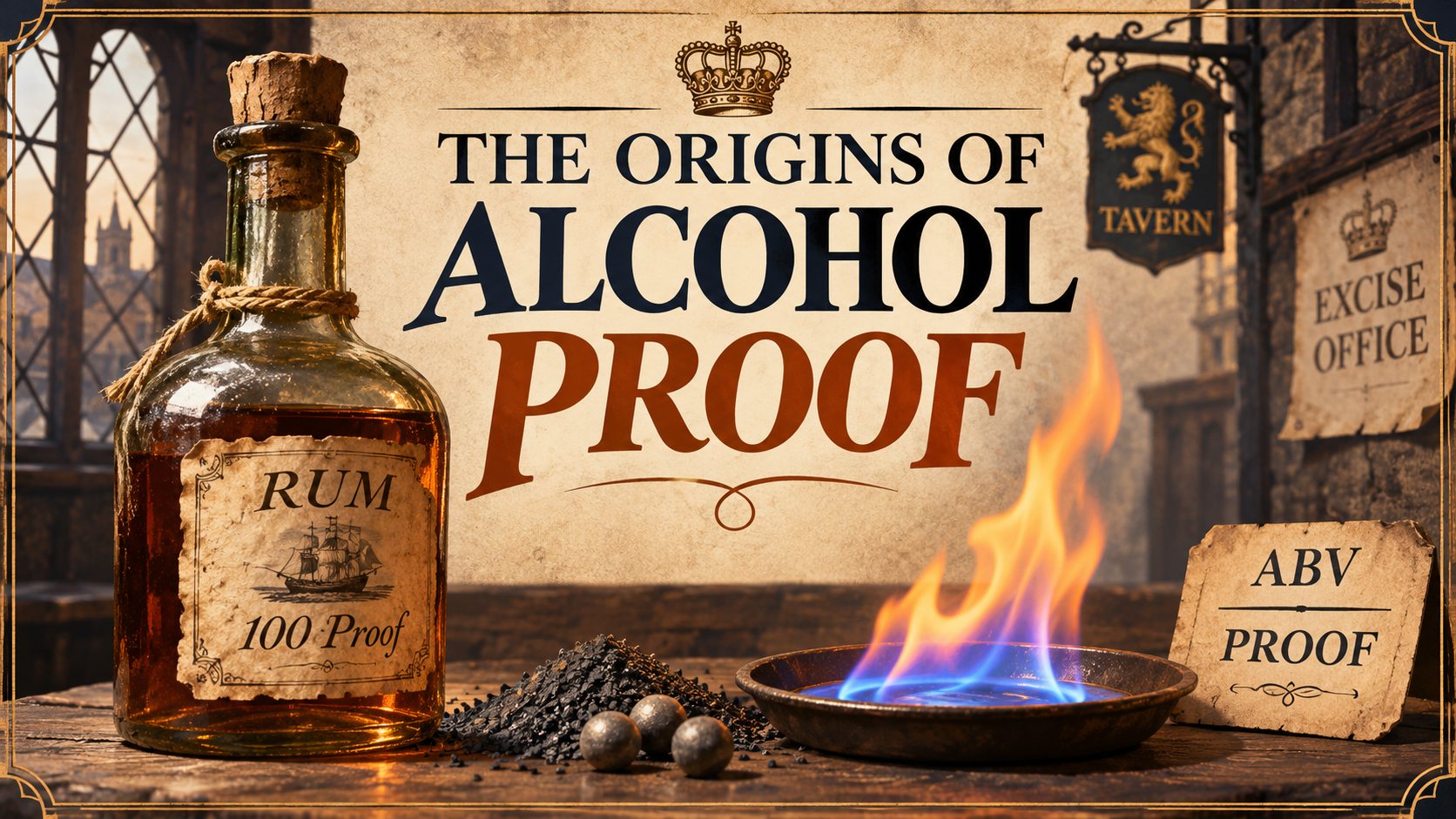
The strength of an alcoholic beverage is generally expressed in terms of alcohol by volume (ABV). However, another measure of alcoholic strength, known as ‘proof’, owes its origins to the taxation of liquor in England.
As far back as the 16th century, spirits of greater alcoholic strength attracted higher taxes. In the absence of scientific instruments to measure alcohol content, gunpowder was used in a rather unusual test to determine whether a spirit qualified for the higher tax rate.
A popular account also associates the practice with British sailors, who supposedly used gunpowder to ascertain whether their daily ration of rum had been excessively diluted with water.
In 1816, Britain adopted a more scientific method of determining alcoholic strength based on the specific gravity of the liquid. Under the British system, 100 proof corresponded to approximately 57.1 per cent alcohol by volume.
The Americans adopted a different standard, under which proof is simply twice the ABV. Thus, a bottle of whisky containing 40 per cent alcohol is described as 80 proof in the United States.